
The new Building Act may not come into force; election winners do not want it
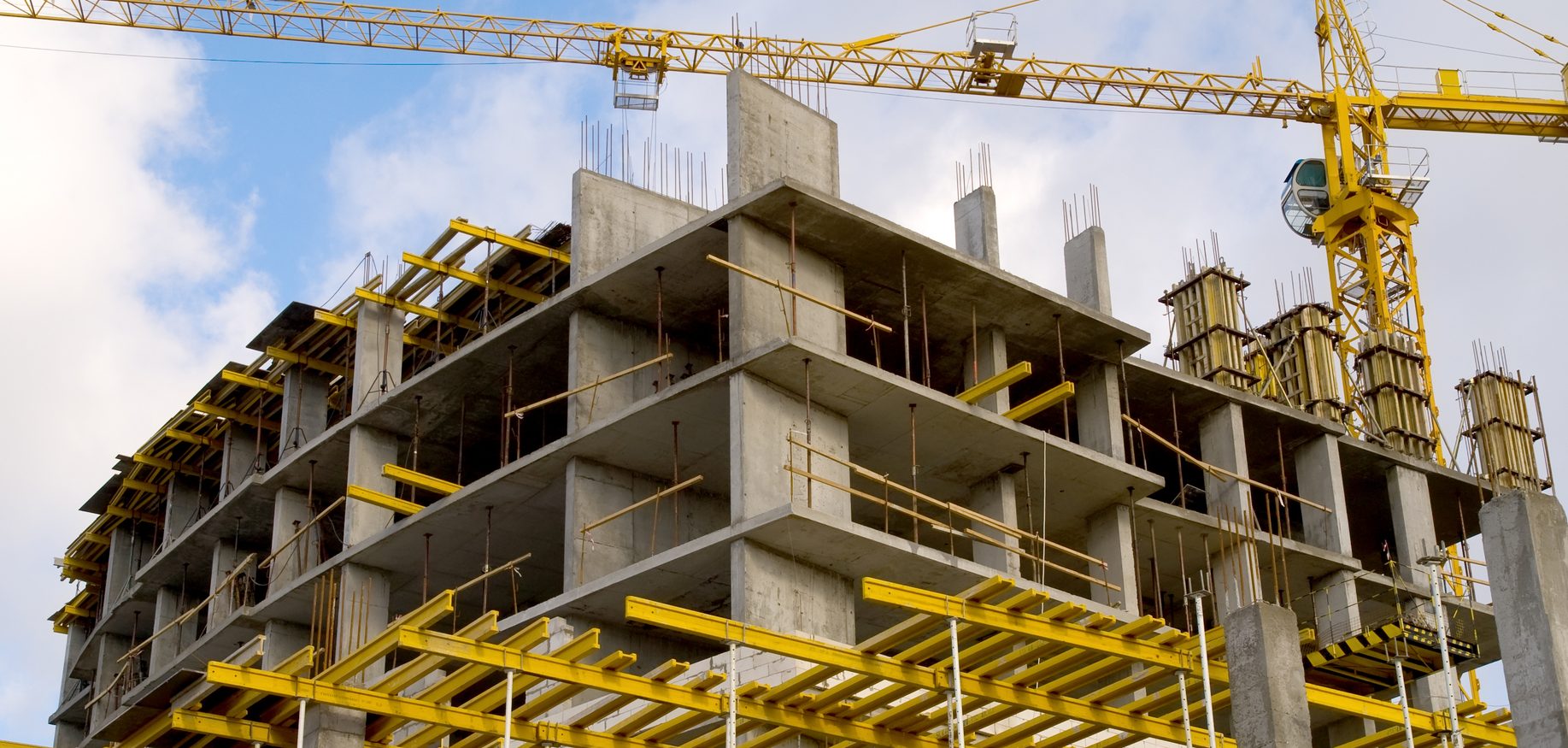
The new Building Act, from which the current government expected faster building permit procedures and an increase in the pace of construction itself, may not come into force after all. The winning coalitions, which secured a majority in the elections to the Chamber of Deputies, do not want this legislation – more specifically, they oppose the creation of a central building authority. What does the new political situation mean for the property market and the long-standing record-high prices of flats?
The Spolu and PirStan coalitions, which gained a majority in the Chamber of Deputies after the October elections, plan to amend the wording of the new Building Act. Even before the election, they pointed out that if they entered government, the Building Act would be changed.
“The previous government wanted the amendment to speed up building permit procedures and shorten the time limits for processing the necessary building permits. However, opponents argue that the new building legislation will instead complicate the entire situation on the property market and, above all, for Czech citizens. Their main argument is that the creation of the so-called super-authority will increase the administrative burden, while there is also a risk that nobody will be available to approve new developments. The winning political parties, which had until now been in opposition, are preparing to abolish the Supreme Building Authority, which was intended to centralise all matters handled by building authorities. They prefer building permits to remain in the hands of municipalities,” explains David Novotný, owner and managing director of the Bohemian Estates real estate agency.
However, there are parts of the amendment that the winning political parties want to retain. These include the establishment of a specialised building authority to deal with linear infrastructure. “Linear infrastructure involves specific applications and requirements. A linear structure is one in which one dimension clearly predominates, meaning length over width and height. These are mainly roads, tunnels, railway structures and utility networks. It does not need to be a large authority, but establishing it as quickly as possible is also a priority for the government currently being formed,” comments Novotný.
A bleak Czech statistic
The slow pace of building permit procedures is one of the causes of the overheated property market. Speeding up the processing of building permits is a key prerequisite for improving the situation on the property market. On a global scale, the Czech Republic is in fact one of the worst countries for approving new construction. According to the World Bank ranking, the Czech Republic is the 157th slowest country out of the 170 countries assessed. In addition to the slow approval of construction projects, the number of flats completed each year in the Czech Republic is below average compared with other countries.
“An insufficient supply of flats is one of the reasons for the steep rise in flat prices in recent years. Other contributing factors include rising land prices, increasing costs of construction labour and materials, high taxes and unnecessarily strict technical regulations,” explains David Novotný.