Renting: What is changing in 2026?
In 2026, the limits for minor repairs paid by tenants are increasing. After more than ten years, these limits are being raised to better reflect current material and labour costs.


In 2026, the limits for minor repairs paid by tenants are increasing. After more than ten years, these limits are being raised to better reflect current material and labour costs.
Published 23/2/26, 12:54 pm
From 1 January 2026, the financial limits for repairs paid by the tenant are increasing.
The original amounts had applied since 2015 and, given the significant rise in prices, no longer reflected reality.

If you are a landlord and your existing lease agreements state the old limits, we recommend informing your tenants of this change. For new lease agreements, the simplest solution is to refer directly to the applicable legislation, specifically Government Regulation No. 308/2015 Coll. of 26. 10. 2015, which governs obligations relating to routine maintenance and minor repairs in a flat. You can also download an updated lease agreement template for 2026., which reflects these changes.

Routine maintenance forms part of the day-to-day use of a flat.
This includes, for example:
The purpose of routine maintenance is to ensure that the flat remains in good condition throughout the tenancy.
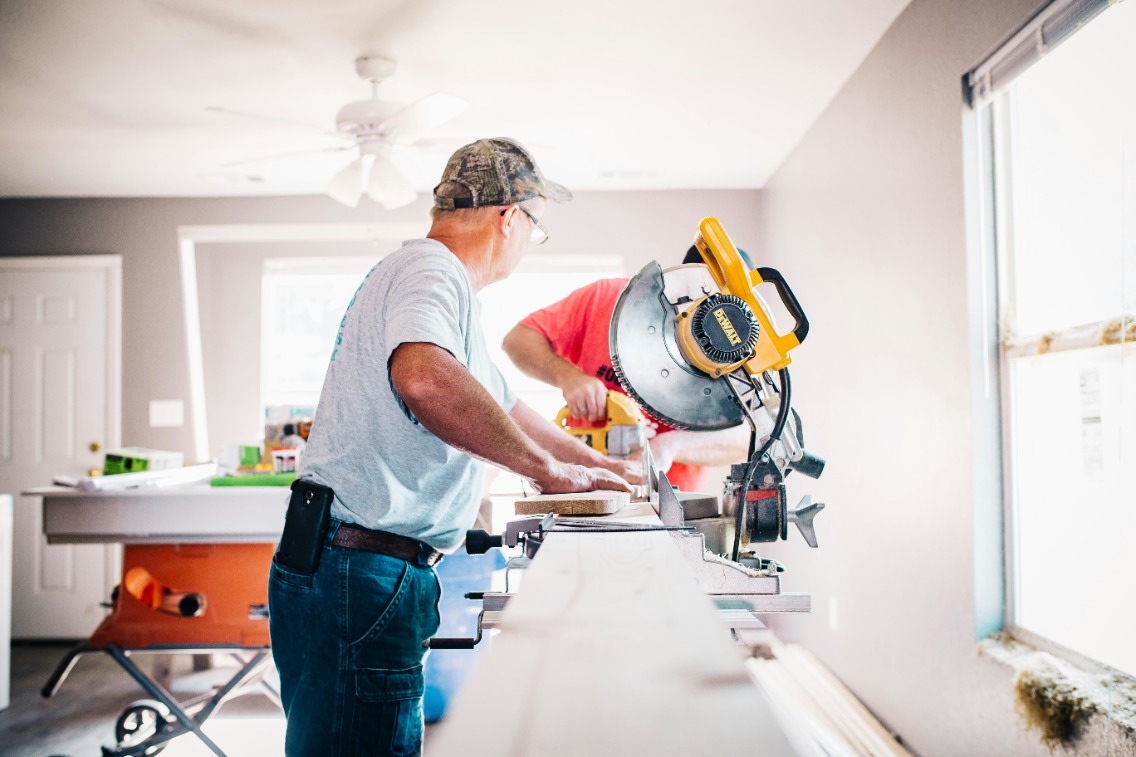
Minor repairs are repairs to and replacements of specific parts of the flat and its fittings, provided they do not exceed the prescribed financial limits.
Typical examples include:
A detailed list can be found in Government Regulation No. 308/2015 Coll.
For minor repairs, it is useful to know that the tenant pays the tradesperson’s travel costs. At the same time, travel costs are not included in the limit for minor repairs. This means that the tenant may not include travel expenses in the repair limit, only the repair itself and the materials used.

To calculate the annual limit for minor repairs correctly, it is essential to know what is included in the floor area. For the purposes of this regulation, floor area means:
At the same time, areas that are not rooms, such as a cellar, balcony, loggia or terrace, are included at only half of their area.
Let us consider a flat of 60 m², with a cellar measuring 6 m² and a balcony measuring 4 m². The cellar and balcony are counted at half their area, so the total area for calculating the limit is 65 m².
The tenant’s annual limit for minor repairs is:
65 m² × CZK 150 = CZK 9,750 per year
The tenant needs to deal with a faulty bathroom tap:
Calculation:
The tenant therefore pays CZK 2,000 in total, but only CZK 1,400 counts towards the annual repair limit.
Not all repairs in a flat are the tenant’s responsibility. The landlord pays for all repairs that do not fall under routine maintenance or minor repairs, or where the financial limit has been exceeded.
This typically includes in particular:
If the cost of a single repair exceeds CZK 1,500, or if the tenant has already used up the annual limit for minor repairs, the costs are borne by the owner.

The increase in the limits for minor repairs from 2026 reflects current material and labour costs. If you let a property, we recommend informing your tenants about the increased limits. Another important point is that the tenant pays travel costs for repairs, which are not included in the limits.
Whether you are looking for an investment opportunity, a new home or need a rent valuation, Bohemian Estates is here for you. We can help with buying, selling and complete property management. With us, you can be sure your property is in good hands!