
Risks relating to the technical condition of a property: What you should know before buying
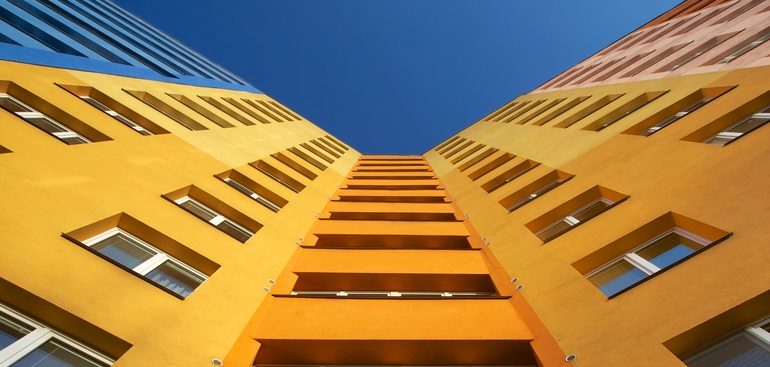
When choosing a property to buy, it is important to consider not only the visual impression of its exterior and interior, but also hidden technical aspects that may affect the safety and comfort of your home. Although new-build properties may seem as though they should be problem-free, this is not always the case. Whether it is a new build or an older property, here are the most common technical shortcomings.
Hidden technical defects
Hidden technical defects are defects that are not apparent at first sight. They include gas, water, sewerage and electrical systems. These may be outdated or poorly installed, which can lead to potential faults and leaks. Poorly executed insulation results in energy losses and higher heating costs. Insufficient sound insulation from the surrounding area or neighbouring flats, in turn, can cost you plenty of stress and sleepless nights. The good news is that if you discover such a defect in the property, the seller is liable for it for 5 years from the purchase. Depending on the severity of the defect, you may request its rectification, a reduction in the purchase price or withdrawal from the purchase agreement.
Unsuitable property layout
Pay attention to which direction the property faces and whether it receives sufficient sunlight. Consider whether its spatial layout suits your needs and preferences, including whether there is enough storage space. Bear in mind that it is not always possible to change a property's layout in the future, for example because of load-bearing structures, and it can also be very costly. Ideally, living areas should be well separated from private rooms such as the bedroom and children's room, as well as from sanitary facilities. All of this contributes not only to living comfort but also affects the flat's marketability in the future, should you wish to sell it.
Material shortcomings
In older properties, worn materials can be expected, but cheap, low-quality materials are also used in some new builds. This leads to earlier wear and damage. Look out for various cracks in walls, scratches, chipped tiles, doors or windows that do not close properly, and so on.
What to do before buying a property
Most people have no construction industry experience, so when buying a property they are unable to assess the risks of technical defects adequately. By investing in a professional inspection, you can prevent more costly problems in the future. It will also help you estimate professionally the cost of rectifying defects, any refurbishment work, etc. What can you do to prevent problems?
-
Professional property inspection: Have an expert check the property's technical condition, including its utilities and insulation.
-
Ask the real estate broker: A good broker has extensive experience and can help you identify potential problems and subsequently negotiate a possible discount before signing the contract.
-
Reservation agreement: Signing a reservation agreement guarantees that nobody else will snap up the property, while giving you time to carry out a property inspection and negotiate a possible discount before entering into the purchase agreement.
-
Read the documentation: Carefully review all documentation relating to the property, including technical specifications and maintenance history.
Although virtually no property is entirely flawless and every one will have its imperfections, we recommend not underestimating a technical inspection so that you are not faced with unpleasant surprises in the future.