
Rising property prices – is renting the future of housing?
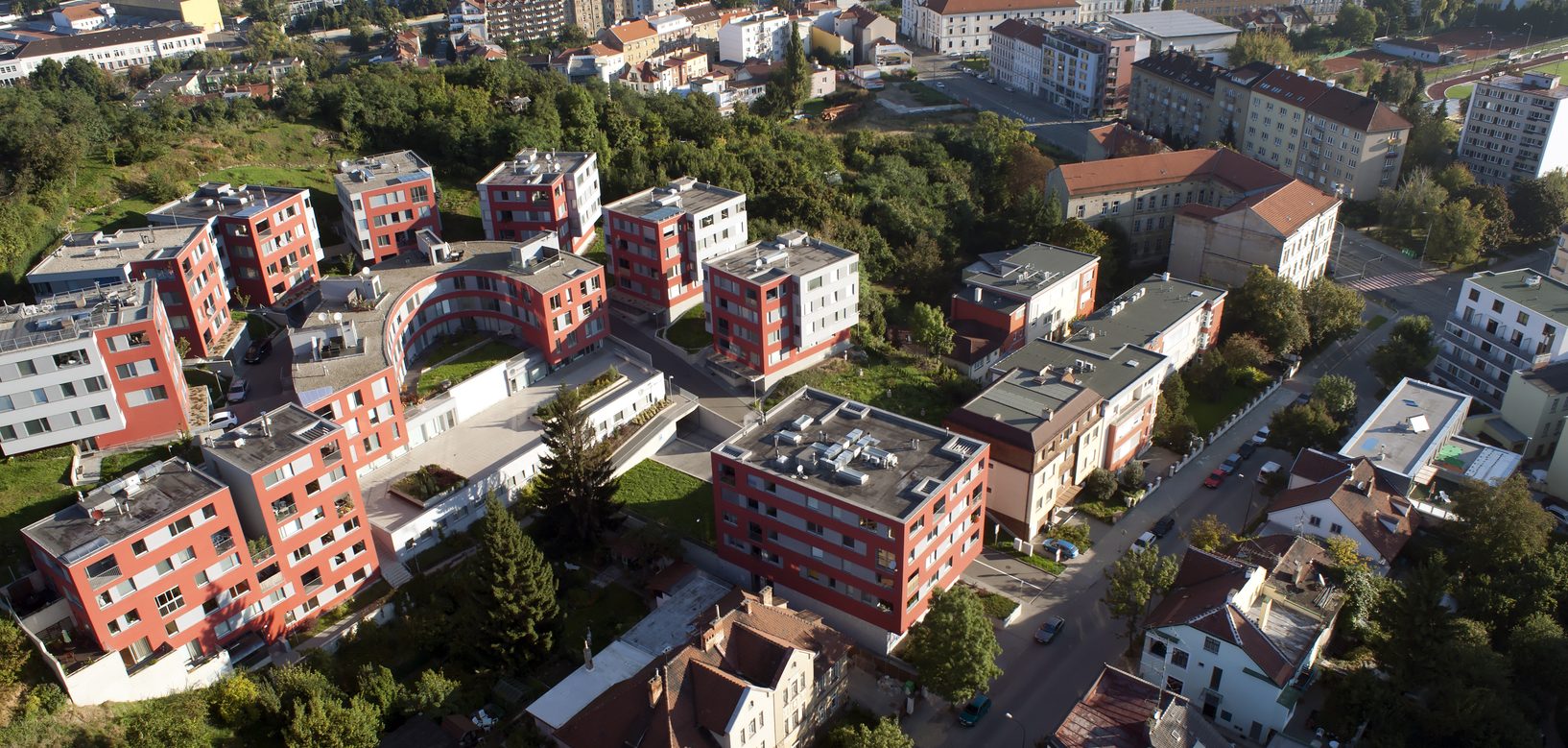
More and more people, especially young people, are choosing rented accommodation rather than buying their own property, primarily due to the rising cost of homeownership and the limited availability of mortgages. According to experts, it is realistic to expect the trend of ever-increasing property prices in the Czech Republic to continue. This trend is influenced by several factors, including a shortage of new housing development, the slow pace of approving new construction and related legislative obstacles.
Will property prices fall?
In recent years, there have been many predictions that the property bubble would burst and property prices would experience a steep decline. However, this has not happened; on the contrary, prices continue to rise. Inflation has returned to normal levels, mortgages are somewhat more accessible and the property market is beginning to recover again. In this situation, property prices cannot be expected to fall.
What affects property prices
Property prices are driven by supply and demand. The overall economic situation also has a major impact. For example, during an economic recession, when purchasing power is lower, demand may fall, often resulting in lower prices. During periods of high inflation, prices rise across all sectors and developers postpone the construction of new projects.
Interest rates are also linked to inflation. Low interest rates can make mortgages more accessible, leading to higher demand and, consequently, higher property prices. Conversely, high interest rates mean far fewer people can afford to take out a mortgage.
The pace at which new development is built is an important factor in property price trends. If the approval processes of the authorities relating to new construction were faster and more efficient, the rise in property prices could be halted.