
How will the election results affect the property market? Will owner-occupied housing become more affordable?
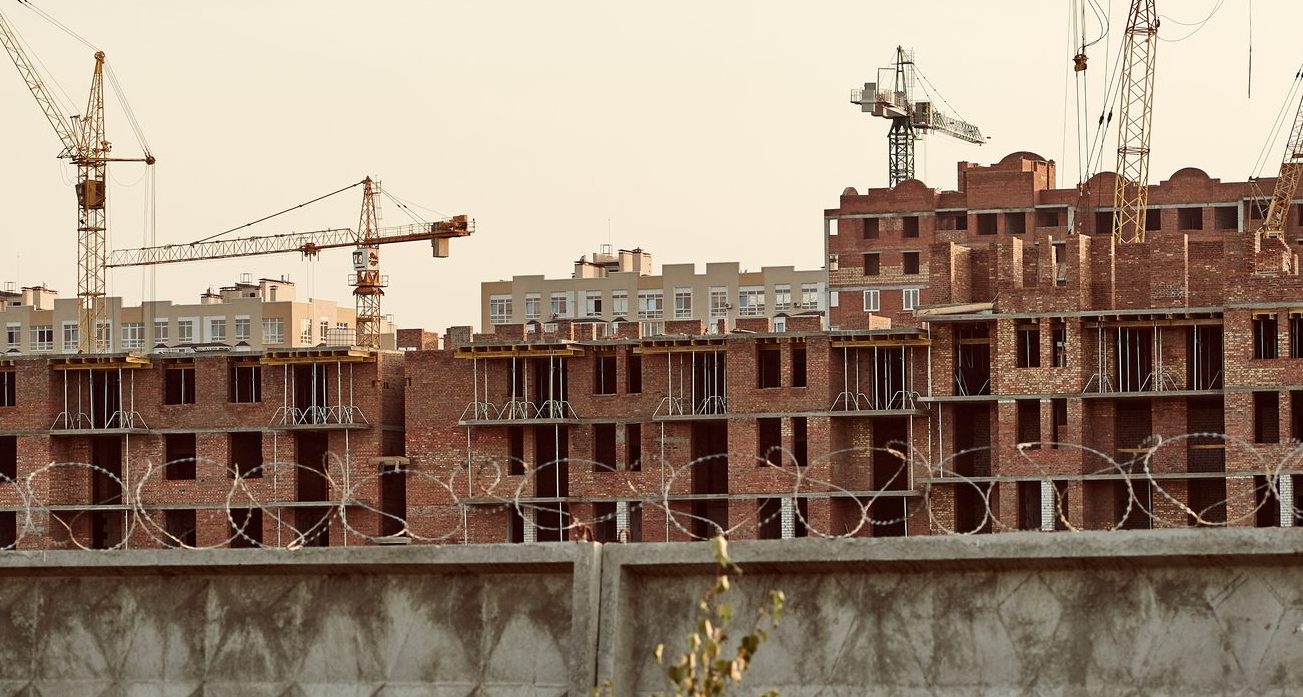
The Czech Republic has held elections to the Chamber of Deputies and, although it is not yet clear what the new government will look like, there is no doubt that over the next four years, parties that addressed the issue of more affordable housing in detail in their election programmes will have a greater say. But what does this actually mean for the property market? And will the property bubble finally burst?
It must be said that the bubble has been inflating at a truly dizzying pace for months, not only in the Czech Republic but also in other European countries. The coronavirus pandemic has partly contributed to the situation, but low interest rates, which led to increased demand for owner-occupied housing, are also to blame. Another issue is the shortage of flats, which has troubled Czechs for a long time and which the new Building Act was supposed to address in part. “I do not think the new Building Act will have much effect. The problem lies primarily in the legislation and the bureaucratic apparatus, and no new comprehensive amendment to the law will change that. We have repeatedly seen that new legislation mainly means complications and often causes further delays,” comments David Novotný, owner and managing director of the Czech real estate company Bohemian Estates International.
The Building Act was also targeted in the election programme of the winning SPOLU coalition, which promised to amend it so that it would truly deliver what people expect from it: faster construction. The plan is to build 40 thousand flats a year and make them accessible to young families too, for example by making mortgages for first homes more affordable. “Buying a property is now a real problem for the middle class, and the conditions for obtaining a loan are simply neither attractive nor affordable, so people are gradually turning to rental housing,” adds Novotný.
This might not be a problem elsewhere in the world, but here owner-occupied housing is something of a sign of success, and those who own their homes are seen as having made it. Nobody considers the fact that people are currently taking on such levels of debt that there are doubts as to whether they can repay it at all. The only solution, therefore, is to stop property prices rising, as experts long ago gave up hoping that they would fall.
“Too little is being built, and what is built is now expensive; properties have become something of a gilded proposition, promising a worthwhile investment. It is therefore logical that demand is high. What is more, an increasing number of people are buying properties solely to rent them out. On the one hand, property ownership is exclusive; on the other, there are hundreds of thousands of people who cannot afford to take on such a commitment. Perhaps it is time to accept that rental housing is a suitable alternative,” says David Novotný.
Whatever changes the new winning coalition may promise, we cannot expect any dramatic changes any time soon. Such changes take time, and a property market in which homes are affordable and inexpensive will remain a utopia for some time to come. “My main advice to people currently deciding to buy their own property is not to embark on the entire process alone under any circumstances, but to seek out a property expert who can help them not only with the whole transaction, but above all find the most advantageous property possible for them,” concludes David Novotný of Bohemian Estates International.