
New figures from the property market. How have property prices changed over time?
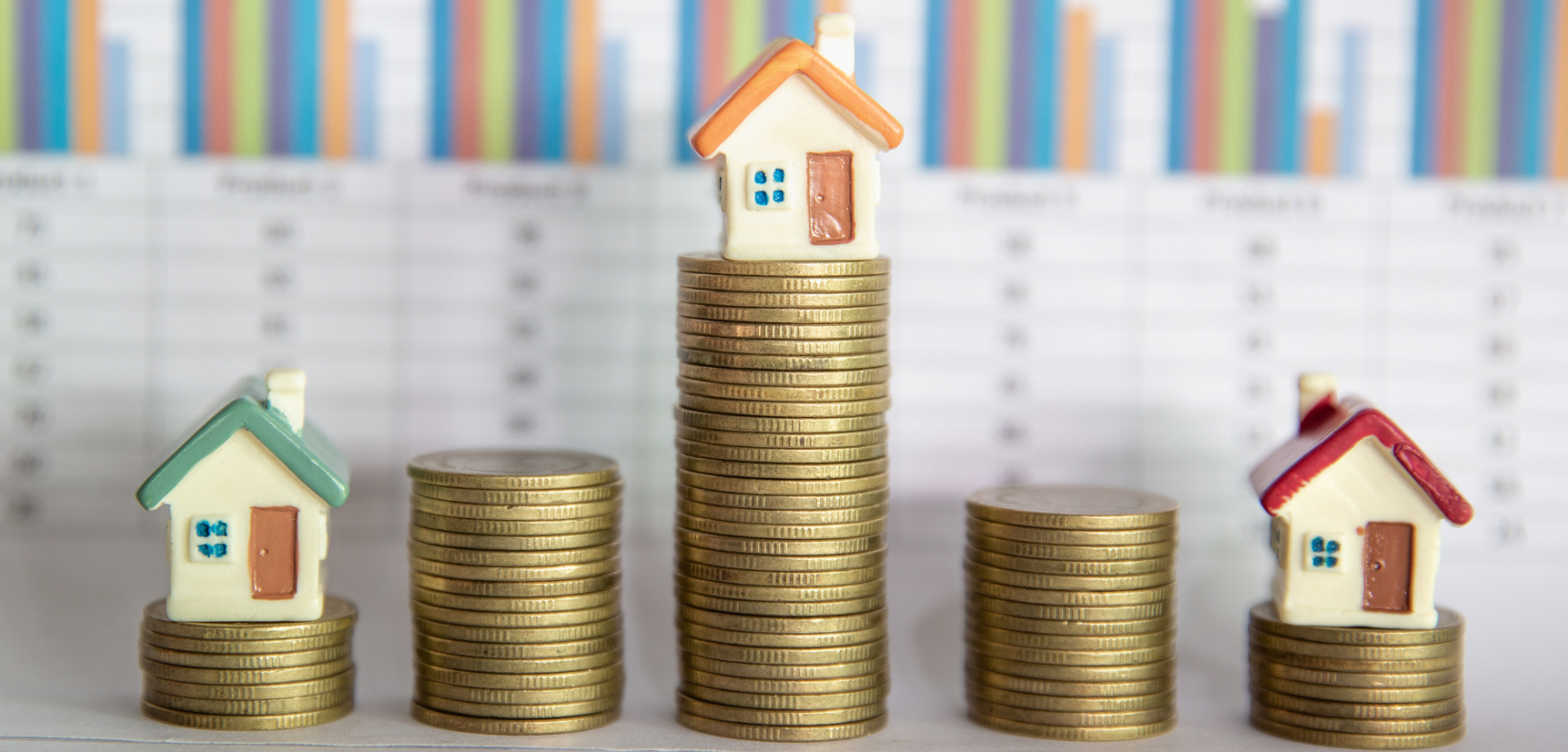
The trend of sharp year-on-year growth in property prices continued in the third quarter of this year, according to new figures. However, they also show that the pace of price increases is slowing considerably – price stagnation is already evident for flats and family houses. The impact of a significant price decline should become fully apparent at the end of the year.
This is shown by data from the new HB Index, based on estimates of the market prices of properties purchased by Hypoteční banka clients through mortgage loans. Flats rose in price by 17.6% year on year from July to September this year, compared with as much as 21% in the previous quarter. Looking at data from 2010, property prices have risen by an incredible 127.5%.
“The latest figures show that property prices continued to grow at a slower pace in the third quarter, but had already begun to stagnate by its end. According to property market experts' forecasts, this will become fully apparent in the final quarter,” says David Novotný, owner and managing director of the real estate company Bohemian Estates, adding: “We are also seeing a decline in the volume of flat transactions. Demand is being negatively affected above all by high mortgage interest rates. We therefore expect the supply of flats to exceed demand, with the property market determined by buyers' interest and purchasing power.”
A reduction in property prices can be expected particularly for older, more energy-intensive flats, where deferred demand will have the greatest impact. Supply will continue to exceed demand, and sellers will therefore have to offer various incentives, such as a contribution towards a fitted kitchen or a free garage space.
Interest in buying family houses is also falling sharply on the Czech market. Prices of family houses rose by 17.4% year on year in the third quarter of this year, although the pace of price growth has slowed here too. Compared with 2010, family houses have risen in price by 104%. “There is currently demand mainly for cheaper, smaller family houses with the option of solid-fuel heating, or newer, energy-efficient family houses with a heat pump. There is a clear decline in interest in large family houses and holiday properties, which experienced a boom particularly during pandemic restrictions. This trend is undoubtedly the result of the current energy crisis and growing concerns about future energy prices. Put simply, people are worried about high housing running costs,” explains David Novotný.
Expensive mortgages, combined with high flat and house prices and double-digit inflation, are now making it more difficult for Czechs to achieve home ownership. Developers are actively addressing the situation, looking for ways to build and sell new flats under current conditions. To finance them, they are increasingly trying to use a model combining the option of renting with a subsequent purchase into private ownership. This trend is already relatively common abroad and is known as rent to buy. This financing method is an alternative in the current situation, where development projects are being halted, and may also offer a solution for people who do not have sufficient funds to obtain a mortgage or whose low income means they do not qualify for one.