
How the coronavirus crisis changed cottage and country-house holidays
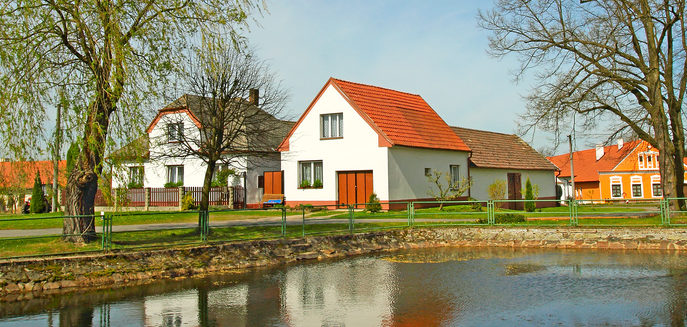
Quarantine measures and restrictions on leisure activities led to increased demand for cottages and country houses. Interest grew all the more sharply as conditions for travelling abroad became stricter. People began looking for alternative ways to relax and enjoy leisure time. Demand for cottages and other recreational properties had already doubled by April, driving prices up sharply – by around 20%.
When cottage and country-house holidays are mentioned, many of us picture a typical Czech socialist-era weekend in the countryside. After the 1989 revolution, when travelling abroad became considerably easier, interest in this type of recreation declined. However, the tradition was so deeply ingrained in our hearts that it survived to some extent. Current data indicate that the trend for country-house holidays is once again on the rise. The coronavirus pandemic and border closures have contributed to this.
At a time when people could leave home only for urgent matters, owning a country house became a luxury commodity – and, in some places, a scarce one. The growing interest in cottage holidays that we had already seen before the coronavirus pandemic accelerated during quarantine, and demand for recreational properties has risen again. Increased demand drove up the prices of habitable cottages and country houses by tens of percent, particularly in the Krkonoše Mountains, Šumava, Jizerské hory and Beskydy. This spring, prices rose by approximately 20%, with some areas recording growth of as much as 25%.
What to look out for when buying a cottage
As with anything, before embarking on the process itself, it is worth considering why you are doing it. First, be clear about what motivates your potential cottage purchase. For some, rising property prices and rents in larger cities may be the reason, and a habitable cottage can be an appealing housing alternative to a conventional flat in the city centre. But take care here. Why?
In two words: property status. Country houses are approved as residential buildings and have their own descriptive number. Cottages, on the other hand, have only a registration number and are intended solely for recreation. If you decide to live in such a property permanently, you will need to have it reapproved from a recreational property to a residential one.
If you are considering buying a country house to let it to tourists, rest assured that you are not alone. The trend for short-term rentals has also reached the cottage market. If you own a cottage in an area of tourist interest or one where skiing is available, it is worth considering short-term or mid-term rentals. A major advantage of shorter lets is that you can rent out the property only when you are not using it yourself.
Even the purchase of a “little cottage for a few hundred thousand” should not be underestimated, and we recommend consulting an experienced specialist.